Add Row
Add Element
UPDATE
Add Element
  • Home
  • Menu 5
  • Menu 6
  • Menu
April 30.2025
2 Minutes Read

How to Foster a Lasting Remote Company Culture for Growth and Success

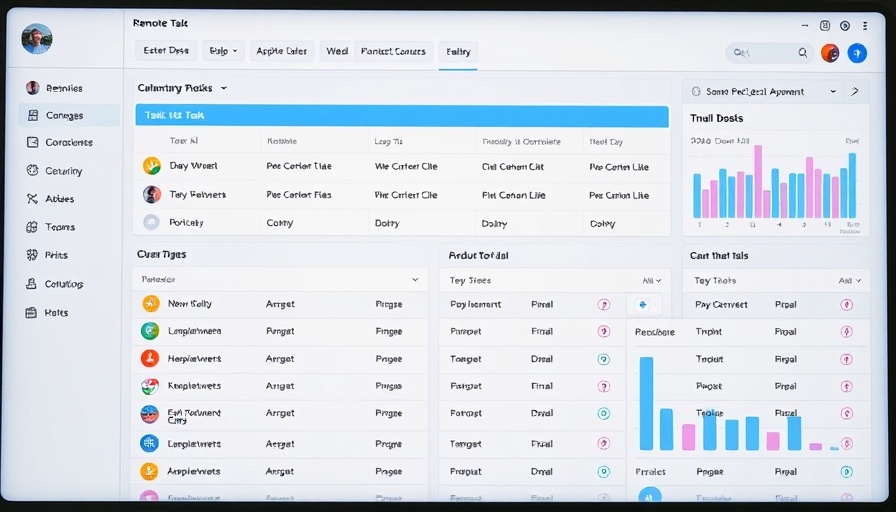
Digital dashboard showcasing remote company culture with tasks and goals.

Building a Lasting Remote Company Culture: The Essentials

As remote work steadily becomes the norm, fostering a strong company culture in a digital environment is critical for businesses looking to scale. For owners of mid-sized businesses generating $2M to $10M+ in annual revenue, implementing effective company culture can significantly improve collaboration, enhance productivity, and attract funding. A strong remote company culture provides a sense of belonging, even from a distance.

Key Elements of a Successful Remote Culture

The foundation of a thriving remote culture lies in trust, communication, and recognition. Encouraging open communication helps build trust among teams, while recognition fosters inclusivity and teamwork. Important project management software tools can streamline these efforts, enabling better collaboration on product development and workflows. For instance, tools like ClickUp, Slack, and Trello allow team members to share updates and maintain visibility over processes, helping break down barriers created by distance.

Creating Effective Processes for Team Engagement

One of the largest challenges businesses face is ensuring that team engagement remains high. Regular check-ins, team-building activities, and informal virtual meetups build on the essence of community. Encourage teams to share personal accomplishments or moments to enrich collaboration. Surveying employees about their preferences can lead to better decision-making in terms of useful processes that sustain engagement.

Innovative Workflows That Enhance Productivity

Operational efficiency is crucial, particularly for scaling operations. Identifying and leveraging workflows that optimize daily tasks can transform chaotic environments. Automating repetitive tasks frees up time for teams to focus on strategic initiatives. Tools that integrate with project management software can provide templates for effective project execution, ensuring teams remain aligned while working towards shared objectives.

Counterarguments: The Challenges of Remote Culture

Despite the undeniable benefits, some may argue that establishing a remote culture is challenging due to communication barriers or feelings of isolation among employees. However, nurturing relationships, prioritizing mental health, and cultivating a sense of belonging can mitigate these challenges. In reality, it’s the intentionality behind the processes and interactions that ultimately define a successful remote culture.

The Future of Remote Work Culture: Predictions and Opportunities

Looking ahead, as remote work becomes more entrenched, businesses that prioritize their culture will attract top talent and investment. Innovative companies will develop new strategies to adapt to evolving work environments, combining in-person interactions with remote flexibility. Those that navigate this landscape successfully will not only thrive but lead their industries.

In conclusion, building a strong remote company culture isn’t just possible—it’s essential for lasting success. By adopting the right tools and processes, fostering connections, and strategizing for the future, remote teams can evolve into cohesive units that drive their business forward. If you’re eager to enhance your company culture, assess your existing workflows and consider what tools might help facilitate better collaboration and operational efficiency.

Teams

Write A Comment

*
*
Related Posts All Posts
11.29.2025

How to Build a Global Remote Team of 500+ Employees: 6 Essential Steps

Update Unlocking the Power of Remote Teams As remote work solidifies its place in modern business, organizations are increasingly embracing the advantages of building a global remote team. CEO's and business owners are finding that the opportunity to access diverse talent from around the world enhances agility and innovation, vital components for staying competitive in today’s fast-paced environment. The journey of scaling to a global workforce may seem daunting, yet, as illustrated by the experience of companies that have successfully managed such expansions, following a strategic framework can make this transition smoother. The 6 Key Steps to Building a Robust Global Team According to insights from leaders in remote management, the steps to building a successful global team include: Document Clear Expectations: With a diverse range of cultures and working practices, documenting roles, workflows, and communication protocols is essential. Clarity here minimizes ambiguity and helps to align your team, fostering efficient collaboration across borders. Leverage Technology: The right tools are paramount. Collaborative platforms such as Slack, Microsoft Teams, and Trello facilitate real-time communication and project management across time zones. Foster Cultural Intelligence: Understanding diverse cultural backgrounds enriches the team’s cohesiveness. Leaders should prioritize training focused on promoting cultural awareness among team members. Maintain a Strong Company Culture: Strategies like virtual retreats, recognition programs, and shared goals can strengthen the bonds within a globally dispersed team. Compliance Management: Awareness of local labor laws and compliance regulations is crucial. Engaging an Employer of Record (EOR) can streamline the hiring process while ensuring compliance with local laws. Adapt to Feedback: Regularly soliciting feedback from team members about their experiences can help leadership refit strategies and policies that impact morale and performance positively. Overcoming Challenges in Remote Operations As encouraging as it is to witness the surge in businesses going global, there are significant hurdles to navigate. Challenges such as cultural disparities, communication barriers, and varying time zone differences require intentional strategy to overcome. It’s vital to create communication structures that maintain engagement and accountability, such as hosting regular check-ins and utilizing comprehensive project management tools to keep everyone informed. Inspiration from Successful Expansion Stories One prominent example is a tech company that grew its global presence from a five-member team in one city to over 300 in multiple countries. By employing clear communication and adherence to cultural training, they minimized misunderstandings and thrived through collaborative innovation. As leaders adapt their strategies, they can witness not just operational growth but also improved team morale and engagement. The Future of Global Remote Teams The future of work is undeniably leaning towards a more global and remote-oriented framework. Business owners must be proactive in implementing structures that nurture their employee’s growth while also aligning with their strategic objectives. By overcoming the challenges inherent to dispersed teams, they can enhance productivity, foster a collaborative spirit, and ultimately, secure a competitive edge in the market. As the demand for remote operations increases, businesses that prioritize building a resilient and engaged global team will be best positioned to unlock future possibilities. Embrace these insights and strategies to not only survive but to thrive in a borderless business world.

11.27.2025

AI-First Leadership: How to Transition and Thrive in Business Today

Update Shifting Paradigms: The Rise of AI-First LeadershipIn the ever-evolving landscape of business, leadership cannot remain static. Ashutosh Garg, former Google AI pioneer, emphasizes that today’s leaders must adapt to a world increasingly influenced by artificial intelligence (AI). He advocates for an AI-first leadership model which requires letting go of traditional control frameworks to embrace a more fluid, adaptable approach in managing teams and workflows.Letting Go of Control: Embracing an AI-Enabled FutureAccording to Garg, the essence of AI-first leadership is the acknowledgment that control should not lie solely with leaders. This shift reflects a deeper understanding of how AI can optimize workflows. Modern leaders must orchestrate, rather than micro-manage, allowing AI systems to manage the data and execute routine tasks. By doing so, teams can channel their creative and strategic energies toward innovation and problem-solving.Fluid Team Structures: Adding Value Through Skills, Not RolesAs AI reshapes the traditional workplace, Garg observes a significant transition from rigid job titles to skills-based team formations. “AI breaks work into tasks,” he notes, emphasizing the need for leaders to facilitate talent flow. In this context, job seekers are no longer defined by static roles but are recognized for their ability to contribute to dynamic teams that gather to address specific challenges. This evolution allows organizations to respond flexibly to market changes.The Power of Experimentation: Measuring Impact in Real-TimeOrganizations striving for AI success must shift their mindset towards rapid experimentation, adopting a culture that encourages continuous learning and data-driven decision-making. Garg highlights the importance of embedding AI within actual workflows, where real-time analytics can inform strategy. This not only enhances productivity but also creates an environment where employees feel empowered to experiment and take calculated risks.Hiring and Nurturing Talent: AI as a Game-Changer in HRIntegrating AI into HR practices transforms how organizations hire and develop talent. As outlined by experts at ClearCompany, AI tools are revolutionizing recruitment by automating resume screenings and candidate sourcing, thus freeing HR teams to focus on high-value tasks, like enhancing company culture and leadership development. These AI capabilities not only expedite hiring but also lead to better retention rates by providing personalized career development paths for employees.Creating a Culture of Trust and CollaborationThe transition to an AI-first organization is not merely technical; it necessitates a cultural shift towards transparency and collaboration. Leaders must foster a workplace environment where employees feel safe to explore and leverage AI tools. Building this psychological safety is crucial for overcoming the inherent resistance to change that often plagues organizations adopting new technologies.Conclusion: Leading with Heart and StrategyAs companies navigate the complexities of an AI-driven landscape, integrating the principles of AI-first leadership can unlock significant advantages. Leaders must embrace this evolution by fostering innovative cultures that prioritize collaboration and dynamic skill application within teams. By intentionally developing these practices, organizations can effectively leverage AI for both operational excellence and enhanced workplace culture. As we move forward, the question remains: Are your leadership strategies ready to adapt to this transformative era?

11.25.2025

Is Your Office Layout Eroding Employee Trust? Discover Solutions to Enhance Trust Today!

Update Understanding the Power of Workspace Design The layout of an office is more than just a functional necessity; it shapes the culture of the workplace. Research shows that a poorly designed office can lead to erosion of employee trust, affecting their productivity and overall morale. When workers feel cramped, isolated, or discouraged from communicating openly, trust diminishes, and collaboration suffers. Breaking Down Barriers: The Importance of Trust Trust is essential for a healthy workplace. In environments where openness and communication are encouraged, employees are more likely to contribute their ideas, resulting in increased innovation and a sense of belonging. However, office layouts that prioritize individual cubicles over collaborative spaces can foster feelings of disconnection. The Role of Flexible Spaces in Employee Engagement Many companies are now opting for open layouts or designated collaboration areas as a way to improve communication and trust. Flexible spaces allow employees to choose where and how they work best, encouraging them to engage with one another without the barriers of a traditional office. Companies focusing on such designs see a significant uptick in employee satisfaction and engagement rates. Real-World Examples: Companies Leading the Way Let’s look at companies like Google and Facebook, which have invested in open, creative spaces that promote collaboration. These environments not only allow for spontaneous interactions among employees but also demonstrate a culture of trust from management by promoting transparency and inclusivity. Reflections on Your Office Space As a CEO or business owner, it’s critical to routinely evaluate how your office layout affects your employees. Are there areas that encourage collaboration? Or are certain layouts stifling creativity and engagement? Reception areas, meeting rooms, and breakout spaces all play a crucial role in fostering trust and should embody openness. Actions to Foster Trust through Design To create a culture of trust in your organization, consider actionable design changes. Evaluate the effectiveness of your current layout, solicit feedback from your team, and make adjustments to incorporate more open, collaborative spaces. Empowering employees with choices on how they work can rejuvenate their morale and foster deeper trust within the company. Ultimately, your office layout should reflect the values of transparency, innovation, and trust. Investing in a workspace that considers your employees' needs isn't just an aesthetic choice—it's a strategic move that impacts your bottom line. If you're ready to transform your office space and enhance employee trust, now is the perfect time to initiate those critical changes!

Terms of Service

Privacy Policy

Core Modal Title

Sorry, no results found

You Might Find These Articles Interesting

T
Please Check Your Email
We Will Be Following Up Shortly
*
*
*