Add Row
Add Element
UPDATE
Add Element
  • Home
  • Menu 5
  • Menu 6
  • Menu
August 29.2025
2 Minutes Read

Modest Penalties for Google Advertising: What Business Owners Should Know

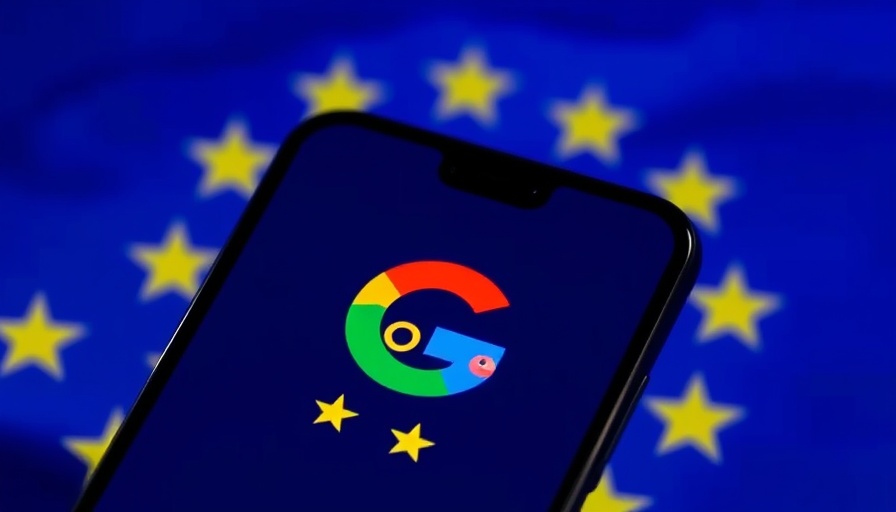
Google logo on smartphone, EU stars behind; European Commission penalties Google AdTech.

European Commission’s Upcoming Decision: What to Expect?

As the European Commission prepares to unveil its findings in the widely-discussed antitrust case against Google, business owners are keenly watching the unfolding events. With reports hinting at a "modest" penalty likely falling below previous fines like the hefty €4.3 billion from 2018, the implications of this decision could resonate deeply across various sectors, particularly in AdTech and digital marketing.

A Shift in Regulatory Strategy

The ongoing investigation primarily focuses on Google’s extensive dominance in the online advertising world, where a staggering 75.6% of the company’s 2024 revenue stemmed from advertising. The new approach taken by EU antitrust chief Teresa Ribera appears to prioritize correcting anti-competitive behaviors rather than imposing crushing fines. This strategic pivot could indicate a broader trend in regulatory practices aimed at encouraging compliance through collaboration rather than punishment.

Understanding Google’s Position

Google has publicly contested the Commission's findings, presenting its dual-service model as standard practice within the industry. In its defense, the tech giant argues that its role in facilitating connections between advertisers and publishers is integral to the ecosystem, asserting that similar AdTech setups exist among competitors. For business owners navigating this space, comprehending these nuances is crucial, as it underscores the competitive landscape in which they operate.

Pressure From Across the Atlantic

While EU regulators take their time with the verdict, Google is also facing increasing scrutiny in the United States. The Justice Department's contention that Google unlawfully maintained monopolistic practices adds another layer of complexity for the tech behemoth. These concurrent legal challenges highlight the global nature of regulatory scrutiny facing big tech companies and the need for smaller businesses to remain agile amidst shifting legal environments.

The Bigger Picture: Trends in Fintech and AdTech

With digital currency and fintech trends becoming more prevalent, understanding the intersection of these developments with advertising technologies will be essential. Business owners should keenly observe how regulatory actions against large companies like Google might ripple through the fintech landscape, influencing everything from advertising costs to compliance strategies. Staying informed on such trends could provide opportunities for proactive adjustments in their own business strategies.

In conclusion, the upcoming decision from the European Commission is one to watch closely for any business owner operating in the digital space. Understanding these proceedings not only fosters insight into regulatory mechanisms but also highlights the potential for adapting business strategies accordingly.

For those looking to strategize following the unfolding events, join us in exploring actionable insights and trends at our next webinar designed for growing businesses!

Legal

Write A Comment

*
*
Related Posts All Posts
12.06.2025

Navigating the Houston Business Landscape: Essential Registrations You Need

Update The Path to Registration: Starting Your Business in Houston Launching a business is an exciting journey, filled with opportunities and challenges. One of the first critical steps every aspiring entrepreneur must take is to understand how and where to properly register their business. In Houston, Texas, navigating this landscape begins with understanding the distinction between incorporated and unincorporated businesses. Understanding Business Structures: Incorporated vs. Unincorporated The choice between an incorporated and unincorporated business structure significantly impacts your operations. Incorporated entities, such as Limited Liability Companies (LLCs) or corporations, require filing a Certificate of Formation with the Texas Secretary of State. This registration process not only provides legal status but also offers limited liability protection for owners. Conversely, unincorporated businesses, like sole proprietorships, typically register with the local county clerk’s office and face fewer regulatory hurdles but lack liability protections. Essential Registration Steps for Houston Entrepreneurs As you prepare to register your business in Houston, consider the following vital steps: DBA Registration: If your unincorporated business will operate under a different name than your own, you must file a "Doing Business As" (DBA) form with the Harris County Clerk’s Office. This step ensures compliance with local regulations. Sales Tax Permit: For businesses engaged in selling taxable goods or services, obtaining a Sales Tax Permit from the Texas Comptroller is essential. This document is crucial for legal operation and tax compliance. Employer Identification Number (EIN): All businesses must apply for an EIN from the IRS. This number is essential for tax filings and is required if you have employees. By following these steps, you can streamline the registration process and ensure that your business is legally compliant. Why Local Knowledge Matters Houston's business environment, while broadly supportive, is nuanced with specific regulations depending on your business type and structure. Conducting thorough research or consulting with local business experts can prevent future legal complications. Resources like the Houston Business Portal provide clarity and guidance, enabling smooth navigation through the registration process. Future Trends and Opportunities in Business Registration Looking forward, as the business landscape in Houston continues to evolve, it is crucial to stay updated on registration requirements and local business laws. Understanding these factors can position your business for success, enhancing longevity and profitability. New entrepreneurs should remain vigilant about changes in state or local regulations and consider joining local business networks for ongoing education. Take the First Step Towards Establishing Your Business Launching a business in Houston doesn’t have to be overwhelming. By comprehending where to register and what steps to take, you are well on your way to turning your entrepreneurial dreams into reality. Don’t miss the opportunity to solidify your business plans and start the registration process today.

12.05.2025

Why the $140M Fine on X Signals New Digital Era for Tech Companies

Update The European Commission Takes a Stand In a landmark decision, the European Commission has slapped a significant €120 million ($140 million) fine on X, the social media platform owned by Elon Musk, for breaching the recently enacted Digital Services Act (DSA). This ruling marks the first time the Commission has enforced non-compliance under these regulations, sending a strong message to tech companies operating within the EU. What Led to the Fine? The fines stem from multiple violations including the sale of blue checkmarks, which were deemed deceptive since the platform failed to verify the authenticity of users behind these accounts. The Commission also highlighted a lack of transparency in advertising practices, restricting researchers from accessing information necessary to combat scams and misinformation. Henna Virkkunen, the executive vice president for tech sovereignty in the EU, stated emphatically that "deceiving users with blue checkmarks, obscuring information on ads, and shutting out researchers have no place online in the EU." The Ripple Effects on Tech Regulation This ruling has sparked a heated debate across the Atlantic. U.S. leaders, including Vice President JD Vance, have criticized the EU for what they perceive as a direct attack on free speech and American companies. Vance claimed that the EU’s actions reflect a broader anti-American sentiment in regulatory practices. This sentiment echoes across various channels, with critics suggesting that EU regulations may stifle innovation and discourage investment from American tech giants. Future Implications for X and Beyond The outcome of this case could set a precedent for how European regulators interact with tech companies. With further investigations into X’s practices ongoing, including content management and user data access, there may be more repercussions in the pipeline. The DSA allows for penalties of up to 6% of a company’s global revenue, which could escalate existing tensions if further violations are found. Trends in Digital Regulation As tech companies grapple with new regulations, it’s essential for business owners—especially those in the technology and fintech sectors—to stay informed about such developments. Understanding the regulatory landscape not only helps in compliance but can also guide strategic decisions regarding expansion and innovation. Companies that successfully navigate these waters could establish themselves as leaders in ethical technology. What Can Entrepreneurs Do? For business owners looking to expand their operations while adhering to regulations, the key lies in transparency and accountability. As regulations evolve, being proactive rather than reactive will be pivotal. Engaging with compliance experts and monitoring changes in legislation can equip businesses with the tools they need to thrive in an increasingly regulated environment. Additionally, thinking strategically about technology investments can help mitigate risks associated with regulatory fines. The case against X serves as a reminder of the need for diligence and responsibility in today's digital landscape. As consumers become more attuned to issues of privacy and integrity online, businesses must respond accordingly or risk falling under scrutiny.

12.05.2025

Understanding How Far Employers Go in Background Checks: Key Insights

Update Understanding the Depth of Employer Background Checks In the competitive landscape of hiring, employers are increasingly conducting thorough background checks to ensure they select the best candidates. Perhaps you’re surprised to learn just how extensive these checks can be. From criminal histories to employment verifications, employers often dig deep into an applicant’s past, covering records that can reach back up to seven years. The Scope of Background Check Regulations The Fair Credit Reporting Act (FCRA) governs how far an employer can go in these checks and mandates that they obtain written consent from candidates before proceeding. This is crucial for maintaining transparency in the hiring process. Criminal history checks typically examine records from the past seven years, but felonies may remain on record indefinitely. Similarly, employment verification confirms job titles and lengths of service, providing peace of mind to potential employers. Why Background Checks Matter for Employers For businesses, understanding the importance of background checks cannot be overstated. They help ensure workplace safety and mitigate risks associated with hiring. When firms verify applicants’ claims regarding their education and previous employment, they guard themselves against the potential harm of negligent hiring. Industry-Specific Considerations Industries such as healthcare and education may require deeper scrutiny given the sensitive nature of their work environments. For instance, employers in these sectors may look not only at criminal backgrounds but also assess credit histories if financial responsibility is a component of the job. Compliance and Legal Considerations Understanding how far back a background check can go is not just about following rules but about mitigating legal risks as well. Compliance with FCRA regulations protects employers from facing lawsuits due to wrongful hiring practices or discrimination claims. Notifying applicants about any adverse actions stemming from background check findings fosters trust and enhances the company's image. Practical Tips for a Successful Hiring Process To navigate the complexities of background checks successfully, employers should establish a clear policy for their screening processes. This could include standardized procedures for obtaining consent and evaluating reports. Additionally, creating an internal checklist for verifying the information can streamline this crucial aspect of hiring. Taking the Next Step Given the extensive nature of background checks and the stakes involved in hiring the right people, business leaders must be diligent. Are you prepared to refine your background check process? Consider consulting with an HR expert or a legal professional to ensure you are compliant with FCRA and other relevant regulations.

Terms of Service

Privacy Policy

Core Modal Title

Sorry, no results found

You Might Find These Articles Interesting

T
Please Check Your Email
We Will Be Following Up Shortly
*
*
*